If you are researching microdosing TRT, you are likely tired of the rollercoaster of standard injections. You know the pattern: a massive shot that leaves you feeling superhuman for two days, followed by a slow, grinding decline into fatigue, brain fog, and a dead libido until your next dose. That cycle is exhausting, and it is not how your body was designed to operate. This guide cuts through the noise to give you a straight, clinical breakdown of what daily testosterone therapy actually is, who it serves, and whether the trade-offs are worth it for your specific biology. No fluff, no hype, just the facts you need to make an informed decision.
Table of Contents
-
What Is Microdosing TRT? (The “Minimum Effective Dose” Explained)
-
The Problem with Standard TRT: Why “Peaks and Troughs” Ruin Your Progress
-
The Microdosing Advantage: Mimicking Your Body’s Natural Rhythm
-
Microdosing vs. Weekly Injections: A Head-to-Head Comparison
-
Who Is the Ideal Candidate for Microdosing? (Patient Selection)
-
The Practical Guide to Microdosing Protocols (Dosage & Injection)
What Is Microdosing TRT? (The “Minimum Effective Dose” Explained)
Microdosing TRT is the practice of administering smaller, more frequent doses of testosterone to maintain steady-state hormone levels in the blood. Instead of injecting a large bolus of testosterone cypionate or enanthate once every week or two, you inject a fraction of that dose daily. The objective is straightforward: use the minimum effective dose required to resolve your symptoms without triggering the hormonal spikes and crashes that plague standard protocols.
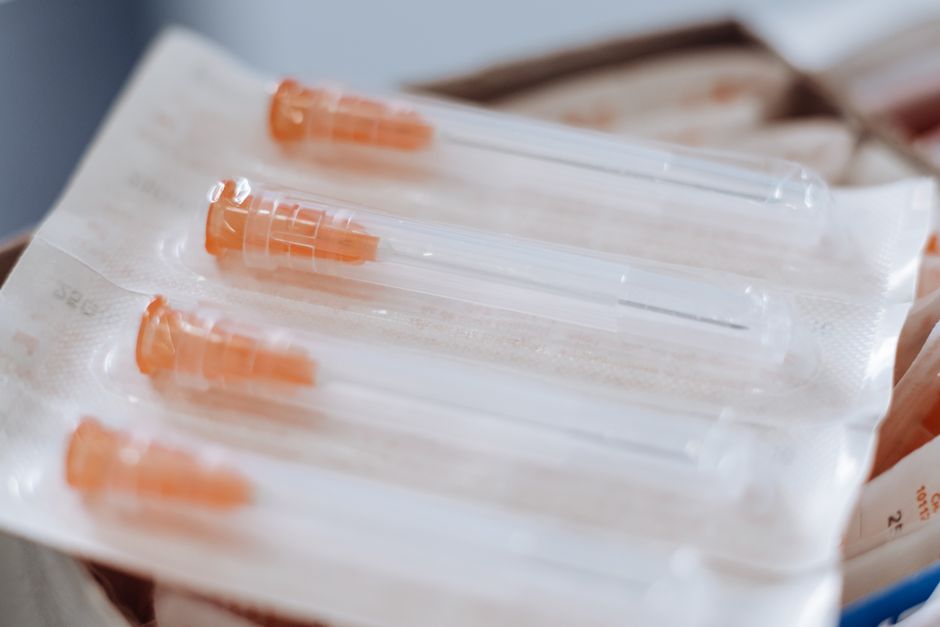
This approach is typically executed via subcutaneous injections using insulin-style syringes with 29 to 31 gauge needles. The injection volume is tiny, often just 0.1 to 0.2 milliliters, deposited into the fatty tissue of the abdomen or thigh. While daily subcutaneous testosterone administration is technically off-label and not FDA-approved for this specific dosing schedule, it has become a widely adopted protocol among specialized clinics that prioritize patient-reported outcomes and clinical observation over rigid, one-size-fits-all prescribing. The logic is simple: your body does not release testosterone in a single weekly surge, so why should your replacement therapy operate that way?
The Problem with Standard TRT: Why “Peaks and Troughs” Ruin Your Progress
To understand why microdosing has gained traction, you must first understand the pharmacokinetic disaster that standard dosing creates for many patients. When you inject a large dose of testosterone cypionate, your serum levels do not gently rise and plateau. They spike. Within 24 to 48 hours, free testosterone can climb to double the optimal physiological range. You feel that spike, and for a brief window, everything seems dialed in. Then the decline begins.
As the days pass, testosterone levels fall, often dipping below the therapeutic threshold well before your next scheduled injection. This is the trough, and it is where patients report feeling profoundly fatigued, irritable, and sexually flatlined. The problem is not just subjective discomfort. That massive hormonal peak stimulates the aromatase enzyme, which converts excess testosterone into estradiol. Elevated estradiol brings its own set of miseries: water retention, mood swings, and the looming threat of gynecomastia. You end up chasing side effects with aromatase inhibitors, adding more drugs to a protocol that should have been clean from the start.
There is also a psychological toll that rarely gets discussed. When you know you will feel terrible for three or four days before your next injection, you develop a form of injection anxiety. You start watching the calendar, dreading the crash, and planning your life around your shot schedule. That is not hormone optimization. That is survival.
The Microdosing Advantage: Mimicking Your Body’s Natural Rhythm
Your body has a natural circadian rhythm for testosterone production. Levels peak in the early morning and gradually decline throughout the day, supporting the drive, focus, and motivation you need to perform during waking hours before tapering off at night for rest and recovery. A morning microdose of testosterone closely mimics this natural pattern. You inject a small amount, your levels rise gently to meet the day’s demands, and they decline in a controlled fashion by evening. This is not just about numbers on a lab report. It is about aligning your replacement therapy with the biological rhythms that govern your energy, cognition, and even your competitive instincts.
The stability achieved through daily dosing directly addresses the estrogen problem. Without massive peaks, the aromatase enzyme is not overstimulated. Estradiol remains stable, which means fewer estrogenic side effects and, for many patients, the complete elimination of aromatase inhibitors from their protocol. You stop treating the side effects of your treatment and simply live with balanced hormones.
There are additional metabolic benefits worth noting. Frequent, low-dose administration may support healthier conversion of testosterone to dihydrotestosterone (DHT), a more potent androgen critical for cognitive drive, libido, and neuromuscular function. Stable androgen levels also appear to be gentler on blood viscosity. While hematocrit monitoring remains essential for every patient on TRT, clinical observation suggests that steady-state levels produce fewer dangerous elevations in red blood cell mass compared to the repeated spikes of standard dosing. You still need regular labs, but the risk profile shifts in your favor.
Microdosing vs. Weekly Injections: A Head-to-Head Comparison
When you strip away the marketing and look purely at outcomes, the comparison between daily microdosing and weekly injections reveals clear trade-offs. On stability, microdosing wins decisively. You eliminate the peaks and troughs that make weekly injections a hormonal rollercoaster for so many men. Your energy, mood, and libido remain consistent day after day, which is the entire point of hormone replacement.
On convenience, weekly injections hold the advantage. Fifty-two injections per year is far less demanding than 365. Daily adherence requires discipline and a willingness to make your injection part of a morning ritual, much like brushing your teeth. If you travel frequently, work irregular shifts, or simply struggle with routine, the daily commitment can become burdensome.
Cost is another factor where weekly protocols pull ahead. Microdosing is generally more expensive because you are drawing multiple doses from single-use vials, leading to medication waste. Standard weekly injections are far more likely to be covered by insurance or eligible for FSA and HSA reimbursement. Daily protocols are almost exclusively cash-pay, which means you absorb the full cost of the medication and supplies.
There is also an anatomical consideration. Subcutaneous injections work for approximately 99% of patients, but extremely lean individuals with very low body fat may struggle with absorption. For those patients, intramuscular injections remain the more reliable route, which complicates the daily dosing picture since IM injections are more invasive and less practical for frequent administration.
Who Is the Ideal Candidate for Microdosing? (Patient Selection)
Microdosing is not a universal solution, and honest patient selection is where good clinics separate themselves from prescription mills. The prime candidate for daily dosing is the man with low sex hormone-binding globulin, or SHBG. SHBG acts as a reservoir protein that binds testosterone and regulates its release. When SHBG is low, you clear testosterone rapidly from your bloodstream. Standard weekly injections in these patients create an exaggerated spike followed by an accelerated crash, often with significant aromatization to estradiol. Daily dosing solves this by matching the injection frequency to the clearance rate.
High aromatizers form the second major candidate group. If you have run standard protocols and consistently battled elevated estradiol, water retention, and emotional volatility despite reasonable total testosterone levels, your body is telling you that the peaks are the problem. Microdosing flattens those peaks and often resolves the estrogen issue without additional medication.
Stability seekers make up the third category. Some individuals are simply more sensitive to hormonal fluctuations. They feel every dip in androgen levels as fatigue, brain fog, or irritability. For these patients, the consistency of daily dosing is not a luxury. It is the difference between a protocol that works and one that leaves them feeling broken.
The discipline factor cannot be overstated. This protocol requires strict daily adherence. If you cannot commit to a morning injection routine without fail, standard weekly dosing is the safer and more effective choice. Needle-phobic individuals and those who lack the organizational skills for daily medical tasks should not attempt this protocol. The best protocol in the world is worthless if you cannot execute it consistently.
The Practical Guide to Microdosing Protocols (Dosage & Injection)
The dosing logic behind microdosing is mathematically simple. You take your total weekly testosterone dose and divide it by the injection frequency. A standard 140 milligram per week protocol becomes roughly 20 milligrams per day when split into seven daily injections. For every-other-day protocols, you would divide by 3.5. The key is that the total weekly androgen load remains the same. You are simply smoothing the delivery curve.
Injection technique matters. You will use a 29 to 31 gauge insulin syringe, typically with a half-inch needle, injected into the subcutaneous fat of the abdomen or thigh. The volume is small, the needle is fine, and the process takes less than a minute once you are proficient. Rotate injection sites to prevent lipodystrophy and scar tissue accumulation over time.
There is an important clinical nuance regarding testosterone cypionate’s half-life. The package insert states a half-life of approximately eight days, but real-world clinical data from thousands of patients suggests the active half-life is considerably shorter. This discrepancy explains why many men feel their levels dropping just three or four days after a weekly injection and supports the rationale for more frequent administration.
Some advanced protocols combine daily testosterone with human chorionic gonadotropin, or HCG, for men concerned about fertility preservation. This is managed on a case-by-case basis and requires careful lab monitoring to balance the additional hormonal variables. Labs are non-negotiable. At six to eight weeks after starting or adjusting a microdosing protocol, you must check total testosterone, free testosterone, estradiol, hematocrit, and SHBG to fine-tune the dose. You treat symptoms, not numbers, but the numbers guide the clinical decisions.
The Risks and Downsides: What You Must Know Before Starting
You need to walk into this with your eyes open. The injection burden is real. Three hundred and sixty-five injections per year is a significant commitment, and even with proper site rotation, some patients develop injection site fatigue or minor scar tissue over time. You must be meticulous about technique and rotation from day one.
The cost analysis is straightforward but often understated. Microdosing is a cash-pay model. When you draw seven to fifteen doses from a vial designed for single use, you are paying for medication that ends up discarded. This is not a flaw in the protocol. It is a reality of using medications outside their FDA-approved dosing schedules. You need to budget accordingly and accept that insurance will not subsidize this approach.
Transparency demands acknowledging the evidence gap. There are no large-scale randomized controlled trials specifically examining daily subcutaneous testosterone administration. The evidence base is built on pharmacokinetic principles, clinical observation, and patient-reported outcomes from thousands of treated men. That does not make the approach invalid. It does mean you should be wary of anyone presenting microdosing as a proven, universally superior method backed by gold-standard research. The data is promising and clinically consistent, but it is observational.
Finally, guard against the over-optimization trap. The goal of TRT is symptom resolution and restored quality of life, not a supraphysiological lab value. Chasing a specific number on a spreadsheet while ignoring how you actually feel is a recipe for frustration and unnecessary medication adjustments.
How to Get Started with a Microdosing Protocol
You cannot guess your way into this protocol. Comprehensive blood work is the non-negotiable starting point. You need total testosterone, free testosterone, estradiol, SHBG, and a complete blood count with hematocrit before anyone can determine whether daily dosing suits your biology. Skipping this step is how patients end up on protocols that work against their physiology rather than with it.
This is not a DIY endeavor. The expert medical team at Testosterone.Doctor analyzes your SHBG levels, metabolic profile, and symptom history to determine whether microdosing is the right tool for your specific case. Personalized treatment plans at Testosterone.Doctor can incorporate microdosing protocols alongside comprehensive weight loss programs, creating a synergistic approach that addresses both hormonal health and body composition simultaneously.
Starting is designed to be straightforward. Online consultations and prescriptions allow you to begin treatment from home, with the same clinical rigor you would expect from an in-person visit. For patients in northern Utah, clinic visits are available in Layton, UT, where you can meet directly with the medical team. The $99/month exclusive membership plan helps manage the cost of this premium protocol, making consistent, expert-managed care accessible without the financial unpredictability that keeps many men from pursuing treatment.
Conclusion: Is Microdosing TRT the Future?
Microdosing TRT is not a fad, and it is not a universal solution. It is a precision tool that delivers unmatched hormonal stability and symptom control for the right patient. The trade-off is real: you commit to daily injections and higher out-of-pocket costs in exchange for freedom from the peaks, troughs, and estrogenic side effects that make standard protocols unbearable for many men.
For patients with low SHBG, high aromatization, or a simple need for consistent daily performance, this approach can be transformative. For others, weekly injections remain a perfectly valid and effective option. The only wrong move is continuing to suffer through a protocol that is not working. Stop guessing. Get tested. The expert medical team at Testosterone.Doctor can determine whether microdosing is your key to unlocking the consistent energy, drive, and vitality you have been chasing.
Leave a Reply