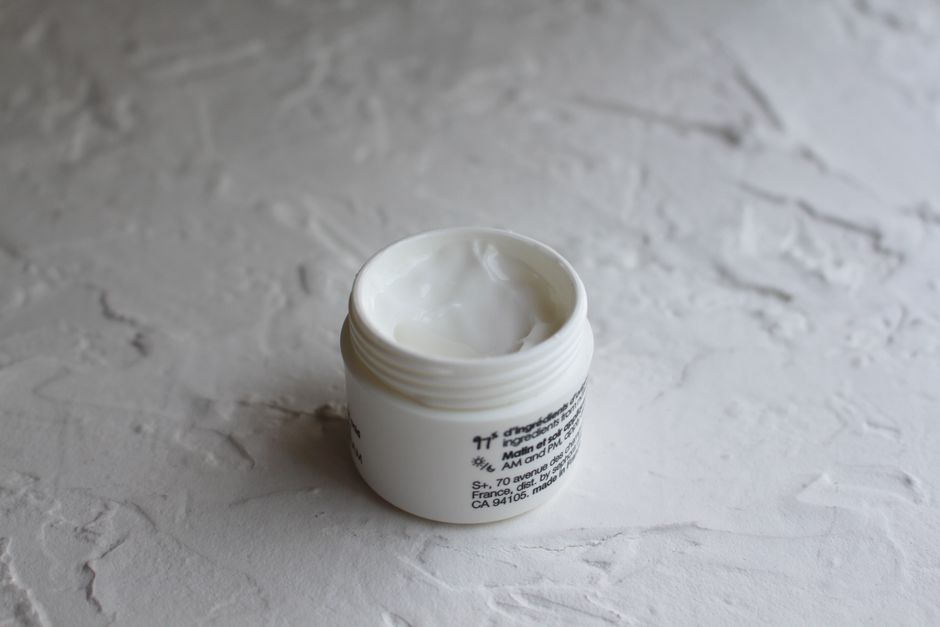
The best application sites for female testosterone cream are thin-skinned areas like the inner thighs, inner arms, and lower abdomen. These sites optimize transdermal absorption into the bloodstream for systemic hormone effects. Application to vaginal tissue is a separate, localized treatment with different absorption patterns and therapeutic goals. The two formulations are not interchangeable.
Table of Contents
-
What are the best spots on a woman’s body to apply testosterone cream?
-
How does the application site affect the way the cream works?
-
How long does it take for testosterone cream to start working for women?
-
What should a woman avoid doing after applying testosterone cream?
-
How does Testosterone.Doctor help women manage their hormone therapy?
-
What are the risks of applying testosterone cream to the wrong area?
What are the best spots on a woman’s body to apply testosterone cream?
The inner thigh, inner arm, and lower abdomen are the preferred application sites because the skin in these areas is thinner, which allows for better absorption. According to ScriptWorks Rx, common application sites for topical testosterone cream in women include the inner forearms, inner thighs, outer thighs, and lower abdomen, as directed by a prescriber. ClearSpring Rx confirms that the inner thigh, upper arm, or abdomen are typically best, with thinner skin preferred.
The cream is designed for transdermal absorption into systemic circulation, meaning it affects the whole body, not just the spot where it is applied. COC Pharmacy notes that topical testosterone cream is applied to areas such as the inner arms, inner thigh, or lower abdomen and is designed for absorption through the skin into systemic circulation.
Application sites should be rotated to prevent skin irritation, though the research pack does not specify a strict schedule. Rotating between the inner thigh, inner arm, and lower abdomen reduces the likelihood of localized reactions from repeated exposure to the same patch of skin.
Avoid applying to areas with thick skin, like the palms or soles, as absorption will be significantly reduced. Thick skin acts as a barrier that prevents the medication from reaching the bloodstream effectively. The goal is consistent, steady absorption, which thin-skinned areas support better.
How does the application site affect the way the cream works?
The application site directly affects absorption because topical testosterone is a systemic therapy, meaning the hormone enters the bloodstream and binds to androgen receptors throughout the body. COC Pharmacy states that topical transdermal testosterone cream is considered a systemic therapy, meaning it may influence hormone levels more broadly throughout the body.
A portion of the absorbed testosterone may convert to estradiol via aromatase activity, which is why dosing and monitoring are critical. ScriptWorks Rx explains that following transdermal absorption, testosterone binds to androgen receptors in tissues, and a portion may convert to estradiol through aromatase activity. This conversion is why provider oversight matters.
Choosing a site with thinner skin and good blood flow helps support more consistent absorption and steady hormone levels over time. COC Pharmacy notes that applying the cream to prescriber-recommended sites such as the inner arms, inner thigh, or lower abdomen helps support more consistent absorption.
The application site for a transdermal cream is not interchangeable with a vaginal cream, which is designed for local tissue support only. COC Pharmacy confirms that vaginal testosterone cream is applied directly to the inner labia or vaginal tissue and is primarily intended for local tissue support, rather than broader systemic hormone effects.
How long does it take for testosterone cream to start working for women?
The research pack does not provide a specific timeline for symptom improvement, but patients should expect a gradual onset of effects rather than an immediate change. Hormone therapy works by shifting baseline levels over time, not by producing an instant response after a single application.
Because the cream is absorbed through the skin into the bloodstream, it avoids the peaks and crashes associated with some other delivery methods. ScriptWorks Rx explains that transdermal application allows the hormone to be absorbed through the skin and into the bloodstream, which may help support steady absorption over time.
Consistent daily application at the same time of day is essential to maintain steady hormone levels. Skipping doses or applying at irregular intervals can create fluctuations that undermine the therapy’s purpose.
Patients should track their symptoms and schedule follow-up testing with their provider to adjust the dose based on their individual response. COC Pharmacy emphasizes that dosing and monitoring occur under provider oversight because of aromatase conversion and individual variability.
What time of day should a woman apply testosterone cream?
The research pack does not specify a morning versus evening preference, but consistency is the most critical factor for maintaining stable levels. Choosing a specific time and sticking to it daily matters more than whether that time is morning or night.
Applying the cream in the morning can mimic the body’s natural circadian rhythm of higher testosterone production early in the day. This timing may feel more natural for some patients, though the sources do not provide direct evidence that morning application produces superior results.
The cream should be allowed to dry for a few minutes before putting on clothing that completely covers the application site to prevent transfer. MedlinePlus states that after applying testosterone gel or solution, the medication should be allowed to dry for a few minutes before putting on clothing that completely covers the application site.
Patients should choose a time they can stick to daily, as missing doses can disrupt the steady absorption the therapy is designed to provide. COC Pharmacy notes that consistent application to prescriber-recommended sites supports steady absorption over time.
What should a woman avoid doing after applying testosterone cream?
After application, the cream must be allowed to dry for a few minutes before covering the area with clothing. MedlinePlus specifies that the medication should dry for a few minutes before clothing completely covers the application site.
The research pack does not address showering or exercising immediately after application, but logic dictates that sweating or washing the site too soon could wash away the medication before it is fully absorbed. The transdermal delivery system depends on the cream remaining in contact with the skin long enough for absorption to occur.
Patients should wash their hands thoroughly after application to prevent accidentally transferring the cream to others. This step protects partners, children, and anyone else who might come into skin contact with the medication.
The application site should not be washed for a reasonable period to allow for full absorption, though the research pack does not specify an exact wait time. A conservative approach is to avoid washing the area for several hours after application.
How does Testosterone.Doctor help women manage their hormone therapy?
Testosterone.Doctor provides online consultations and prescriptions, allowing women to get personalized treatment plans without visiting a physical clinic. The telehealth model removes geographic barriers and makes hormone therapy accessible to patients who value convenience.
The expert medical team at Testosterone.Doctor offers hormone level testing to determine the correct starting dose and to monitor progress over time. Testing is essential because women typically require roughly one-tenth of the standard male dose of topical testosterone, according to Cedars-Sinai.
Patients can access injectable testosterone options like Cypionate and Enanthate, as well as comprehensive weight loss programs, through the $99/month exclusive membership plan. The membership model is designed for patients who want ongoing oversight without per-visit costs adding up.
This model is designed for patients who value convenience and fast results, offering a specialized alternative to generic clinics. The combination of testing, personalized treatment plans, and online access supports consistent therapy management.
What are the risks of applying testosterone cream to the wrong area?
Applying the cream to the wrong site, such as the breasts or face, can lead to localized side effects like unwanted hair growth or skin irritation. These areas have different androgen receptor density and sensitivity, making them poor choices for application.
Using a topical cream when a vaginal cream is indicated, or vice versa, will not achieve the intended therapeutic goal, as the absorption patterns differ completely. COC Pharmacy states that topical transdermal testosterone and vaginal testosterone are not interchangeable because the intended therapy goal, application site, and absorption pattern differ.
Over-application or applying to a highly vascular area could lead to supraphysiological levels, increasing the risk of androgenic side effects. Mobo Med Spa notes that testosterone creams are typically applied to thin-skinned areas such as the inner thighs, and dosing requires care.
The research pack does not cover accidental transfer risks, but patients should be aware that skin-to-skin contact with partners or children after application can cause hormonal disruption in others. Washing hands and covering the application site with clothing reduces this risk.
Key Takeaways
-
The inner thighs, inner arms, and lower abdomen are the primary application sites for female testosterone cream due to thinner skin.
-
Topical testosterone cream is a systemic therapy, not a localized one, and requires provider oversight due to aromatase conversion.
-
Vaginal testosterone cream is a distinct formulation for local tissue support and is not interchangeable with transdermal cream.
-
Women typically use roughly one-tenth of the standard male dose of topical testosterone.
-
The cream must be allowed to dry for a few minutes before covering the area with clothing.
-
The research pack does not specify a timeline for symptom improvement, indicating that patience and consistent application are required.
-
Testosterone.Doctor offers online consultations and personalized treatment plans for patients seeking hormone therapy.
References
-
How to Apply Hormone Cream: Testosterone, Bi-Est, Estradiol, Progesterone, and DHEA Creams — ScriptWorks Rx, published 2026-02-13
-
BHRT Blog Series Part 6: Topical Testosterone Cream and Hormonal Wellness in Women — COC Pharmacy, published 2026-03-02
-
Testosterone Cream for Women — ClearSpring Rx
-
Testosterone Cream for Women: Benefits, Risks, and What to Expect — Mobo Med Spa, published 2025-05-22
-
Testosterone Topical: MedlinePlus Drug Information — MedlinePlus
-
Testosterone Therapy for Women — Cedars-Sinai
Leave a Reply