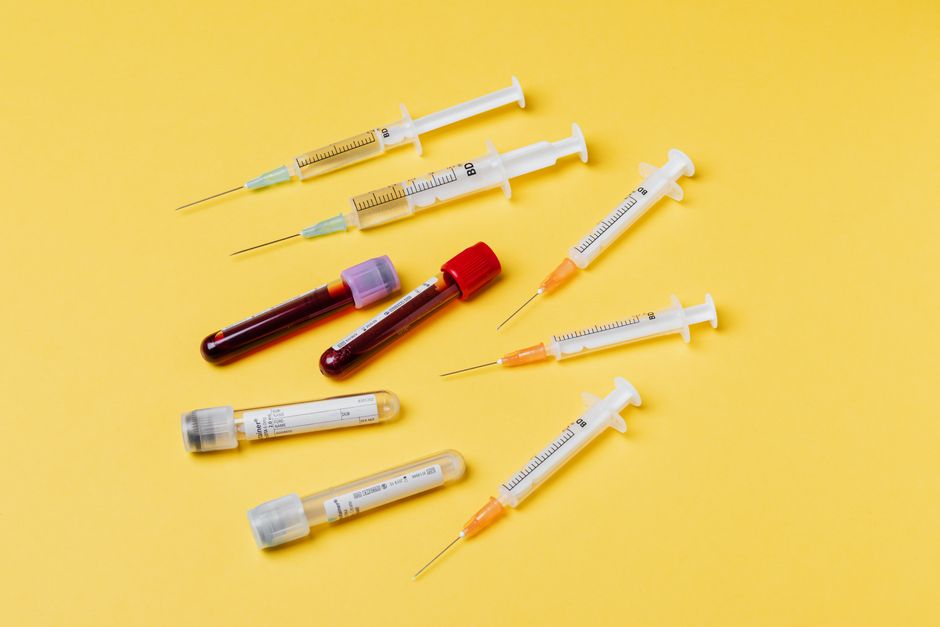
Yes, 1 ml per week is often enough for therapeutic testosterone replacement therapy, but only because 1 ml is a volume, not a dose. The actual weekly milligram amount depends entirely on the concentration of the vial. A 200 mg/ml preparation delivers 200 mg in 1 ml, while a 250 mg/ml preparation delivers 250 mg. Clinical decisions must be based on blood work and symptom resolution, not just the volume in the syringe.
Table of Contents
- What does 1 ml of testosterone actually mean in terms of dosage?
- Is 1 ml of testosterone cypionate per week a standard starting dose?
- What happens if you take 5 ml of testosterone a week instead of 1 ml?
- How long does it take for 1 ml of testosterone per week to show full effects?
- What lab values determine if your 1 ml weekly dose is actually enough for you?
- How do individual factors like age and body weight affect whether 1 ml is sufficient?
- How does the expert medical team at Testosterone.Doctor personalize a 1 ml weekly protocol?
- Is 1 ml of testosterone a week enough to build muscle or lose weight?
- Key Takeaways
- References
What does 1 ml of testosterone actually mean in terms of dosage?
1 ml is a volume measurement, not a dose of the active hormone. The actual testosterone dose depends on the concentration of the specific preparation being injected.

Testosterone Cypionate is typically formulated at 200 mg/ml, meaning 1 ml equals 200 mg of testosterone. Testosterone Enanthate is typically 250 mg/ml, so 1 ml contains 250 mg. Testosterone Propionate is typically 100 mg/ml, so 1 ml delivers only 100 mg, according to Vitalis Luxe Clinic.
The typical therapeutic TRT range is between 100 mg and 200 mg per week, according to Men's Medical Clinic. That means 1 ml of Cypionate at 200 mg sits at the top of the standard therapeutic range. Asking whether 1 ml is enough without knowing the concentration is medically meaningless.
Is 1 ml of testosterone cypionate per week a standard starting dose?
Yes, 1 ml of testosterone cypionate at 200 mg/ml is a common and effective weekly prescription for men with diagnosed hypogonadism. A 200 mg weekly dose sits at the higher end of the therapeutic range for most men, according to Men's Medical Clinic.

A 100 mg per week dose, which is 0.5 ml of a 200 mg/ml cypionate vial, is often used as a starting point for men who are sensitive to testosterone or have milder deficiencies. According to Vitalis Luxe Clinic, 100 mg per week can meaningfully elevate testosterone into the mid-normal range with a lower risk of side effects like elevated hematocrit or estrogen conversion.
The goal of TRT is to restore testosterone levels to a healthy physiological range and resolve symptoms. It is not to chase a specific number on a vial.
What happens if you take 5 ml of testosterone a week instead of 1 ml?
Taking 5 ml per week at a 200 mg/ml concentration equals 1,000 mg of testosterone weekly. That is five times the typical TRT dosage and enters the territory of steroid cycles used by competitive bodybuilders, according to Men's Medical Clinic.
High testosterone doses increase the risk of estrogen conversion through aromatization. That conversion can lead to gynecomastia, water retention, mood swings, and acne.
Supraphysiological doses can spike hematocrit and blood pressure. Those changes increase the risk of stroke or heart attack, according to Men's Medical Clinic. Large doses also shut down natural testosterone production completely, which is difficult to recover from without proper post-cycle therapy.
How long does it take for 1 ml of testosterone per week to show full effects?
Long esters like testosterone cypionate build up gradually in the system. Patients should not expect full therapeutic effects for 6 to 8 weeks after starting a 1 ml weekly protocol, according to Men's Medical Clinic.
Symptom relief in areas like energy, libido, and mood often appears before physical changes such as muscle mass or fat loss. The hormonal environment improves first, and body composition changes follow with time.
Patience and consistent dosing are required before blood work is re-evaluated. A dose adjustment made too early can lead to unnecessary changes based on incomplete data.
What lab values determine if your 1 ml weekly dose is actually enough for you?
Total testosterone, free testosterone, estradiol, and hematocrit are the key markers to monitor during TRT. A dose is considered enough when total testosterone lands in the mid-normal range and symptoms resolve, not just when the number looks high.
Elevated estradiol or hematocrit indicates the dose may be too high, even if the patient is only injecting 1 ml per week. According to Vitalis Luxe Clinic, at 250 mg per week estrogen conversion increases and hematocrit must be watched closely.
Dosing decisions must be made by a qualified clinician based on blood results, not on volume measurements alone. The goal is symptom resolution within a safe physiological range.
How do individual factors like age and body weight affect whether 1 ml is sufficient?
Baseline testosterone levels, sex hormone-binding globulin, age, and body weight all influence how a patient responds to a fixed weekly dose. A man with high SHBG may need a higher dose to achieve free testosterone in the normal range.
A man with low SHBG may experience side effects at 200 mg per week even though that dose is standard for others. Heavier patients may require dose adjustments, but that must be confirmed by blood work rather than assumed.
According to Vitalis Luxe Clinic, 1 ml per week is a starting framework, not a universal guarantee for every patient. Individual response varies enough that lab monitoring is essential.
How does the expert medical team at Testosterone.Doctor personalize a 1 ml weekly protocol?
The expert medical team at Testosterone.Doctor uses hormone level testing to determine if 1 ml per week is the right starting point for each patient. Blood results guide every dosing decision.
Testosterone.Doctor provides personalized treatment plans based on those blood results. The dose is adjusted to resolve symptoms without pushing levels into supraphysiological ranges.
Patients at Testosterone.Doctor receive injectable testosterones including Cypionate, Enanthate, and Propionate. Online consultations allow the medical team to monitor progress and titrate the dose as needed. The clinic offers in-person visits in Layton, UT, and an exclusive membership plan to support ongoing care and re-testing. More information on available therapies is published on the Testosterone Therapies page.
Is 1 ml of testosterone a week enough to build muscle or lose weight?
TRT at 200 mg per week is not a steroid cycle. It is designed to restore physiological levels, not to reach supraphysiological bodybuilding doses.
Patients on therapeutic TRT often see improvements in body composition as a secondary benefit. Muscle retention and fat loss improve when energy and hormonal balance are restored.
A 1 ml weekly dose is not comparable to the 500 mg-plus weekly doses used in muscle-building cycles. Those higher doses carry significant health risks, according to Men's Medical Clinic.
Weight loss and muscle gain on TRT require proper diet and exercise. The therapy restores the hormonal environment but does not replace physical effort.
Key Takeaways
- 1 ml is a volume, not a dose; the milligram amount depends on the concentration of the vial.
- A standard therapeutic TRT range is 100 to 200 mg per week, so 1 ml of cypionate at 200 mg/ml is at the top of that range.
- Taking 5 ml per week at 200 mg/ml equals 1,000 mg, roughly five times a therapeutic dose with serious health risks.
- Full effects of long-ester testosterone like cypionate may not be felt for 6 to 8 weeks after starting a weekly protocol.
- Blood work must monitor total testosterone, free testosterone, estradiol, and hematocrit to determine if a dose is appropriate.
- Individual factors like SHBG, age, and baseline levels mean 1 ml per week is not universally sufficient or excessive for every patient.
- The expert medical team at Testosterone.Doctor uses lab testing and personalized plans to determine if a 1 ml weekly dose is right for each patient.
Leave a Reply